
Call options are the best short-term substitute for purchasing equities you don’t intend to have in your portfolio for the long term. Moreover, options can be a part of every balanced portfolio.

You must be aware of how advantageous it is to purchase or trade out-of-the-money options. The question is, what do “Out-of-The-Money Options” or “OTM Options” actually mean?
Financial derivatives known as Bermuda options have set expiration dates and exercise/strike prices. They are distinct from conventional options in that they have a limited window of time for exercise
A call or put has an expiration date, which traders must be conscious of if they regularly trade.This expiry date may be monthly or weekly, depending on the type of contract chosen.
In recent years, online trading has been boosted by thousands of traders who seem to have grown over time. Now, traders tend to do futures and options through online brokers.

Derivatives are not exclusive to equities; investors can also trade derivatives of other financial instruments like commodities, bonds, and currencies. In this article, we will cover derivative trading
An equity derivative is a type of financial instrument whose value is based on changes in the prices of the underlying equity securities, such as stocks.
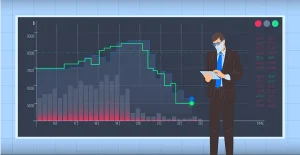
Investors and traders always want to play their cards right; they want to assess the present state of the market to predict future trends and make diligent investing decisions.

A derivative in the stock market is a contract between two parties for buying or selling the underlying assets. Every derivative contract has an expiration date.
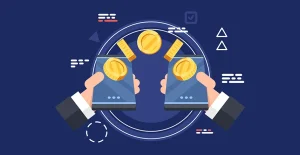
The derivatives market is the market where financial contracts derive value from an underlying asset like a stock, currency, or commodity. The Stock exchange requires the finances of the buyer

The derivatives market is vast, and it witnesses multiple participants in the form of institutional investors, insurance companies, hedge funds, as well as retail investors.

An index call is a type of options contract in derivatives trading which the underlying asset is an index, such as the S&P 500 or the Nifty 50. In the Indian stock market, the Nifty 50 is a widely followed index
 Overview
 Leadership
 CSR
CSR Equal Steps
 ESG
ESG News Room
 Investor Relations
 ISO Certification
 Broking Services
 Margin Trading Facility
 Depository Services
 Mutual Fund
 Research Analysis
 Portfolio Management Services
 IPO
IPO Other Wealth Management Products
 Trading Platform
 VWAP
VWAP FII & DII Indicator
 Calculators
 Margin Calculator
 Dividend Yield Calculator
 Options Calculator
 CAGR Calculator
 Trade Cost Calculator
 Trading Brokerage
 Demat Account Charges
 Other Trading Charges
 Authorised Person
 Business Partner
 Independent Financial Distributor